
Environmental and Community Development combines two closely connected goals:
-
Environmental development focuses on protecting, restoring, and sustainably managing the natural environment.
-
Community development focuses on improving the social, economic, and cultural well-being of people within a community.
Together, these aim to create a balanced approach — helping communities thrive while ensuring the planet remains healthy and sustainable for future generations.

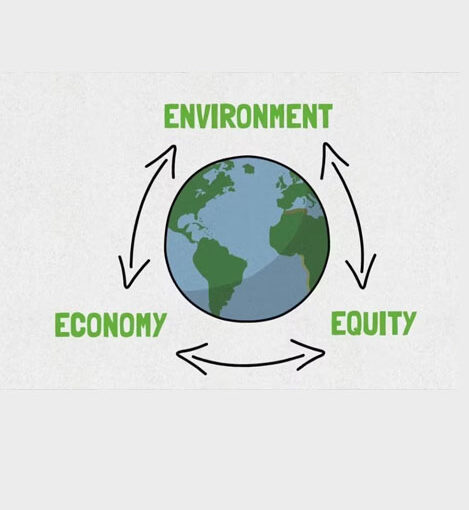
Environmental Development
This part emphasizes sustainability and the responsible use of natural resources.
It involves activities that protect the environment, raise awareness about ecological issues, and promote sustainable living.
Examples include:
-
Environmental education: Teaching people about recycling, conservation, climate change, and biodiversity.
-
Sustainability initiatives: Encouraging renewable energy, waste reduction, tree planting, and clean-up drives.
-
Conservation projects: Protecting local wildlife, habitats, and natural landscapes.
-
Sustainable resource management: Promoting eco-friendly farming, water conservation, and responsible consumption.
Purpose:
To ensure that development does not harm the environment — promoting practices that meet current needs without compromising the ability of future generations to meet theirs.
Community Development
Community development is about empowering people to improve their own lives and the places where they live. It focuses on social inclusion, participation, and capacity building.
Key areas of community development include:
-
Education and skills training: Giving people the tools to find jobs, start businesses, or engage in community projects.
-
Health and wellbeing: Promoting access to healthcare, nutrition, mental health support, and healthy lifestyles.
-
Social inclusion: Helping marginalized or disadvantaged groups (such as women, youth, or people with disabilities) to participate fully in society.
-
Economic empowerment: Supporting local enterprises, cooperatives, and employment opportunities.
-
Community cohesion: Building stronger, safer, and more connected communities through collaboration and shared activities.
Purpose:
To help communities become self-sufficient, resilient, and united, where people take an active role in shaping their environment and future.

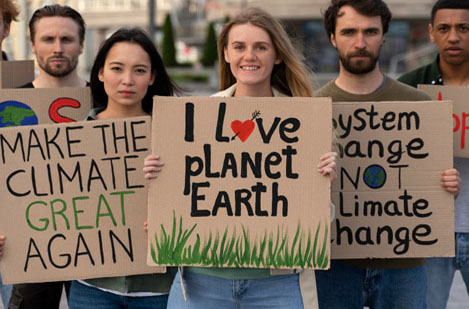
The Connection Between Environment and Community
Environmental and community development are interdependent:
-
A healthy environment supports clean air, water, and food — all essential for strong communities.
-
A strong community is more capable of protecting and sustaining its environment.
For example:
-
Teaching a community to use renewable energy not only protects the planet but also reduces household costs.
-
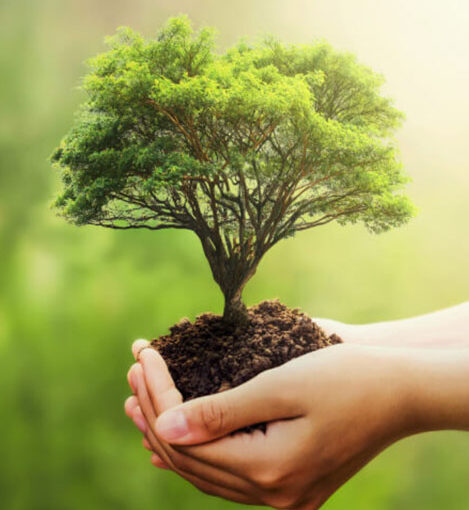
Planting trees improves air quality and provides communal green spaces that improve well-being.
Thus, both aspects work hand in hand toward sustainable development — balancing human needs with ecological preservation.
Why It Matters
-
Promotes sustainability: Encourages responsible resource use and long-term thinking.
-
Improves quality of life: Cleaner environments and stronger communities lead to healthier, happier people.
-
Reduces inequality: Empowers disadvantaged groups to participate in development.
-
Builds resilience: Prepares communities to face challenges like climate change, pollution, and economic instability.
6. Example of How a Charity Might Pursue This Objective
A charity with this goal might:
-
Organize community clean-up and recycling programs.
-
Offer training in sustainable agriculture or green technologies.
-
Create community gardens or tree-planting campaigns.
-
Provide education on climate change and environmental protection.
-
Support local groups to develop eco-friendly income-generating projects.
-
Advocate for community-based solutions to environmental challenges.
elit tellus, luctus nec ullamcorper mattis, pulvinar dapibus leo.