
This objective focuses on helping people and families who are facing difficulties or disadvantages that make it hard for them to live healthy, stable, and fulfilling lives.
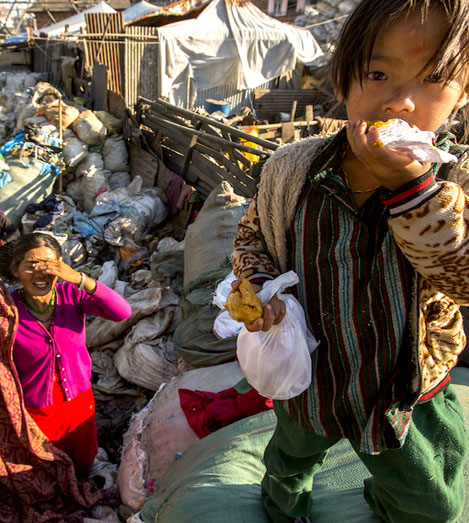
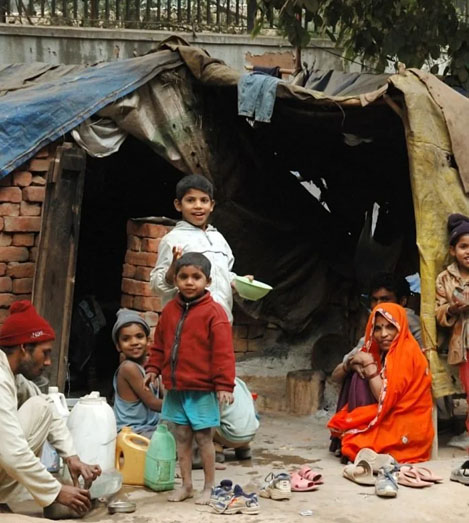
“Vulnerable individuals and families” may include those experiencing:
-
Poverty or financial hardship
-
Homelessness or housing insecurity
-
Unemployment or low income
-
Physical or mental health challenges
-
Disability or long-term illness
-
Social isolation or loneliness
-
Domestic violence or abuse
-
Addiction or substance misuse
-
Migration or refugee challenges
-
Family breakdown or caring responsibilities
Supporting these individuals and families means providing care, resources, and opportunities that help them overcome barriers and rebuild stability and confidence.
The Purpose
The core aim is to:
-
Reduce hardship and inequality by meeting basic needs (food, shelter, safety, healthcare).
-
Promote dignity and independence so people can regain control of their lives.
-
Strengthen families and communities by helping members support one another.
-
Break cycles of disadvantage that might otherwise continue across generations.
This aligns with the charitable principle of acting for the public benefit, especially by protecting and empowering those most at risk.
Forms of Support
Support can take many different forms, depending on the needs of the community and the charity’s capacity.
a. Practical Support:
-
Providing food parcels, clothing, hygiene products, or emergency shelter.
-
Offering financial advice, budgeting help, or access to welfare and benefits.
-
Helping individuals find employment, training, or housing.
b. Emotional and Social Support:
-
Offering counselling, mentoring, or mental health support.
-
Creating safe spaces or support groups where people can share experiences.
-
Reducing isolation by encouraging social activities and community participation.
c. Educational and Developmental Support:
-
Providing parenting classes, life-skills training, or workshops on resilience and confidence.
-
Supporting children and young people through tutoring, mentoring, or extracurricular programs.
-
Helping individuals gain qualifications or skills to improve employability.

Advocacy and Guidance:
-
Assisting people in navigating public services, legal systems, or healthcare.
-
Raising awareness of the challenges faced by vulnerable groups.
-
Working with local authorities or partner organizations to improve services and policies.
Why It Matters
Supporting vulnerable people is essential to building a fair, compassionate, and inclusive society.
Key benefits include:
-
Improved wellbeing: Access to food, shelter, and emotional care helps people live healthier lives.
-
Social stability: When families are supported, communities become safer and more cohesive.
-
Empowerment: People gain confidence and skills to become self-sufficient and contribute positively to society.
-
Prevention: Early support can stop small issues (like debt or stress) from escalating into crises.
-
Equality: Ensures that everyone — regardless of background — has a fair chance to thrive.
5. Examples of Activities
A charity pursuing this objective might:
-
Run food banks or community kitchens.
-
Provide emergency accommodation for homeless individuals or families.
-
Offer drop-in centres for counselling, mental health support, or substance recovery.
-
Deliver parenting or domestic abuse support programs.
-
Organize mentoring or life skills workshops for young people.
-
Distribute care packages to refugees, elderly residents, or low-income families.
-
Partner with schools or social services to identify families in need of extra help.
6. The Broader Impact
By supporting vulnerable individuals and families, the charity contributes to:
-
Community resilience — helping people recover from crises or hardship.
-
Social inclusion — ensuring no one is left behind because of disadvantage.
-
Long-term change — addressing root causes, not just symptoms, of poverty or vulnerability.
This kind of support creates a ripple effect: when one family gains stability, children perform better in school, health outcomes improve, and the whole community benefits.